Vizio has agreed to pay out $3 million to settle a 2018 California class action lawsuit that accused the company of misleading consumers over the refresh rates of its TVs. Vizio had been claiming that black frame insertion technology increased the "effective refresh rate" of its TVs from 60Hz to 120Hz.
It also applied the same language and thinking to 120Hz panels, boosting the "effective" refresh rate of those sets to 240Hz. The (via ) allow anyone who bought a Vizio TV in California after April 30 2014 to claim, receiving between $17 and $50 depending on the number of claimants.
Vizio, of course, explicitly denies any wrongdoing, the implication being that Yono all app it sees the settlement as expedient rather truly justified. That said, as part of the settlement Vizio will stop advertising their TVs with "effective" refresh rates.
It's arguably all particularly silly given the lowly refresh rate of actual video content, which is what TVs are most commonly used for, as opposed to games. There's scarcely any 60Hz video out there save for a little YouTube content, let alone 120Hz or 240Hz. Heck, the HFR or "high frame rate" version of The Hobbit only hit 48Hz (and looked pretty awful for it to these eyes).
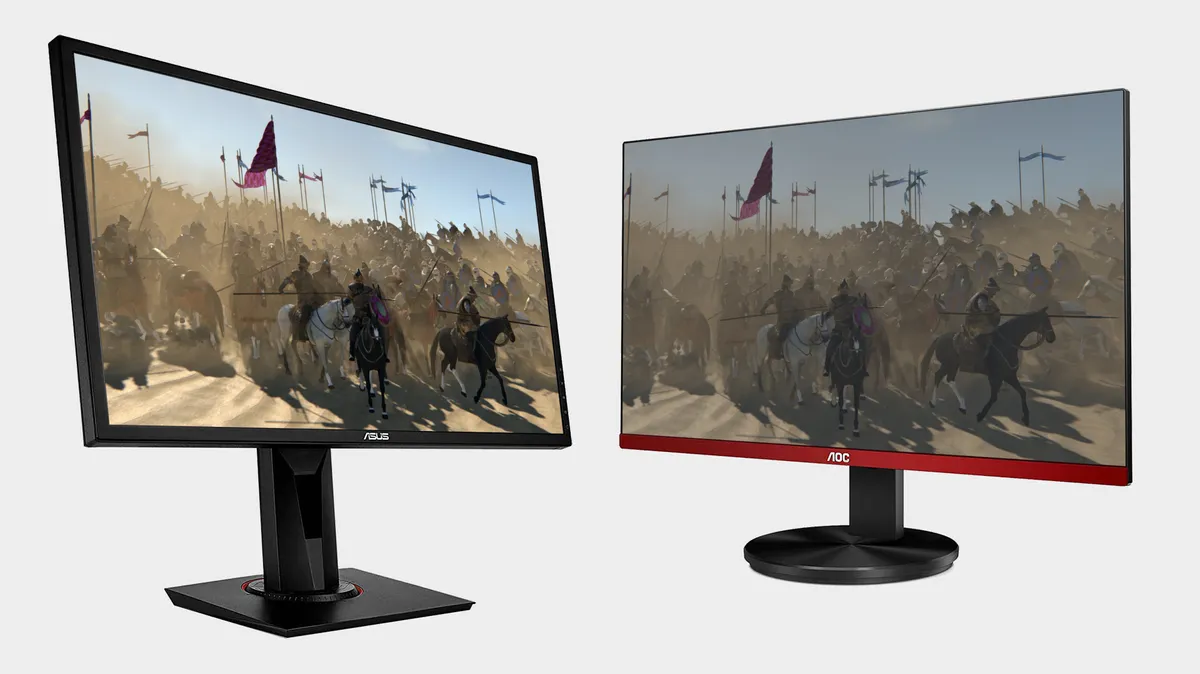
: So much contrast
: Pixel-perfect panels for your PC
: Screaming quick screens
: When only high-res will do
: Big-screen 4K PC gaming
In the end, the benefits of technologies like black frame insertion, backlight scanning and frame interpolation will remain somewhat debatable. The same applies on the PC, with tech falling into this broad category and proving controversial, especially when Nvidia's marketing
implies that frame rates enabled by Frame Generation are equivalent to those delivered by conventional rendering techniques.
But the fundamental refresh rate of a screen is a specification that's better quoted directly and unsullied by any purported "enhancements". Screen tech is complicated enough without having to worry whether the claimed refresh rate is a native spec or "effective."
Oh and for the record, if you did buy a Vizio TV during the qualifying period, you have until March 30 to put your claim in. Though if the payout ends up nearer the bottom end of the possible scale, that $17 might not feel like much compensation for being miss-sold a TV.